Overview of the Nevada Driver Handbook
The Nevada Driver Handbook, published by DMV, offers concise guidance on safe driving, licensing requirements, traffic laws, defensive techniques. It explains road signs, speed limits, child safety systems, and alcohol‑related penalties, serving as a practical study aid for all drivers. for Nevada drivers. !!

License Eligibility and Application Process
To obtain a Nevada license, you must be 16+, provide a valid ID, proof of residency, and a Social Sec. number. Submit a birth certificate and an application. Pass the written test and vision screening. New drivers get a learner’s permit, schedule a road test. Successful completion and fee payment grant the the.!
Eligibility Criteria
To qualify for a Nevada driver license, applicants must meet specific age, residency, identification, and legal status requirements; The minimum age for a full driver’s license is 18 years; however, a learner’s permit is available to 16‑year‑olds and a provisional license to 17‑year‑olds who have completed a state‑approved driver education program. Applicants must be legal residents of Nevada, evidenced by a Nevada driver’s license application form, a current utility bill, bank statement, or a state‑issued identification card. Proof of identity is required, typically a U.S. birth certificate, passport, or a state‑issued identification card. The written test is administered in English or Spanish, with additional language options available. Applicants who have held a valid driver’s license from another state or country may be eligible for a license transfer, provided they submit the required documentation and pay the applicable transfer fee. The DMV also requires a completed application form, payment of the application fee, and, for new drivers, a completed driver education certificate. These criteria ensure that all Nevada drivers possess the necessary legal, educational, and health qualifications to operate a motor vehicle safely and responsibly on the state’s roads. US ID. OK
Required Documents
Applicants must bring a set of official documents to the Nevada Department of Motor Vehicles (DMV) when applying for a driver’s license or permit. The core documents include: a valid U.S. birth certificate, passport, or an official government ID that proves legal identity; a Social Security card or a document that verifies the Social Security number; two proofs of Nevada residency such as a recent utility bill, bank statement, lease agreement, or a state‑issued ID card; a completed driver‑education certificate for those under 18; and a signed application form with the required fee. If the applicant’s name has changed, a marriage certificate, divorce decree, or court order must be presented. For foreign‑born residents, a valid green card or immigration documents that confirm lawful presence are mandatory. The DMV may also request a medical certificate for drivers with certain medical conditions. All documents must be original or certified copies; photocopies are not accepted unless specifically authorized. The DMV will verify each document’s authenticity, and any discrepancy may result in a denial or delay. It is advisable to review the latest DMV handbook for any updates or additional requirements before the appointment. All documents should be in English or accompanied by a certified translation. Applicants should verify that all documents are current and not expired, bring photocopies for backup, and confirm each document is in English or has a certified translation; the DMV may request additional proof if needed. Must be unless any copy is accepted.
Testing Procedures
To obtain a Nevada driver’s license, applicants must pass a series of examinations that assess knowledge, vision, and practical driving skills. The process begins with a written knowledge test, which covers traffic laws, road signs, and safe‑driving practices outlined in the Nevada Driver Handbook. The test is administered on a computer at a DMV office or an approved testing center. Applicants must answer a minimum of 20 questions correctly out of 30 to achieve a passing score. The handbook emphasizes that the questions are based on the most recent Nevada Revised Statutes and updated traffic regulations, ensuring that drivers are tested on current laws. After successfully completing the written portion, candidates move on to a vision screening. The vision test checks for adequate visual acuity and peripheral vision, using a standard Snellen chart. If the applicant’s vision falls below the required threshold, corrective lenses or glasses may be necessary, and the applicant must provide a valid prescription. Once the vision screening is cleared, the final stage is the behind‑the‑wheel driving test. This test evaluates the driver’s ability to perform essential maneuvers such as parallel parking, three‑point turns, and proper lane positioning. The examiner observes the applicant’s compliance with traffic signals, right‑of‑way rules, and safe‑driving techniques described in the handbook. The driving test is typically scheduled within 30 days of the written test, and the applicant must bring a registered, insured vehicle that meets safety standards. Failure to pass any of these tests will result in a temporary suspension of the application, and the applicant may retake the specific test within a set period.

Traffic Laws and Road Sign Interpretation
Nevada traffic laws emphasize speed limits, right‑of‑way, and child safety. Road signs are categorized into regulatory, warning, and informational. The handbook details each sign’s shape, color, and meaning, ensuring drivers recognize hazards and obey posted limits for safer roads. The handbook covers intersect.!
Speed Limits and Road Signs
The Nevada Driver Handbook outlines the state’s speed‑limit framework, emphasizing that limits are posted in miles per hour and apply to all vehicles unless otherwise specified. In urban areas, residential zones typically cap speeds at 25 mph, while commercial districts may allow 35 mph. High‑way limits vary from 55 mph on two‑lane roads to 70 mph on multi‑lane freeways, with special 80‑mph limits on certain stretches of the I‑15 corridor. Drivers must observe posted signs, which use a red‑bordered rectangle for maximum limits, a blue circle for minimum, and a white square for special conditions such as school zones or construction. The handbook explains that speed limits are enforced by both automatic radar and visual police checks, and that exceeding limits can result in fines, points, and license suspension. Road‑sign interpretation is further detailed: regulatory signs (red or blue) dictate mandatory actions; warning signs (yellow diamond) alert of hazards; informational signs (blue or green) provide directions or distances. The handbook stresses the importance of reading signs before approaching intersections, noting that “Stop” and “Yield” signs are mandatory, while “Give Way” is a courtesy cue. It also highlights the use of flashing amber lights to indicate temporary speed reductions during maintenance, and the significance of “No Turn” and “No Left Turn” arrows. Understanding these signs ensures compliance with Nevada’s traffic laws and promotes safer driving habits across the state.
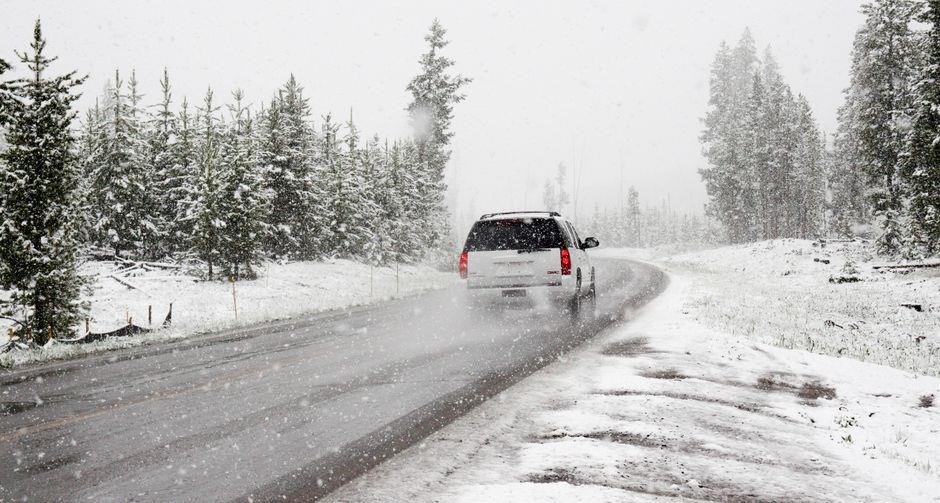
Additionally, the handbook notes that speed limits may be lowered during adverse weather conditions such as heavy rain, fog, or snow, and that drivers are expected to adjust their speed accordingly. School zones enforce a 20‑mph limit during designated hours, marked by flashing yellow lights and a “School Zone” sign. Construction zones may impose temporary limits as low as 15 mph, indicated by a red “Construction” sign and directional arrows. The handbook also covers the concept of “speed‑enforced” zones, where automated speed cameras capture violations, and the penalties for repeated offenses. Drivers are advised to maintain a safe following distance, calculated as a two‑second rule, and to use the “slow‑down” sign to anticipate upcoming speed reductions. By mastering these speed‑limit rules and sign meanings, drivers can navigate Nevada’s diverse roadways with confidence and legality. Check local ordinances traveling now!
Right-of-Way Rules
At all Nevada intersections, right‑of‑way rules dictate who must yield. For uncontrolled crossings, the driver who arrives first has priority; if arriving simultaneously, yield to traffic on the right. A stop sign requires a complete stop before the crosswalk or intersection line, and the driver must yield to any vehicles that have already entered the intersection. A yield sign means give way to traffic on the main road or to vehicles that have already entered the intersection. When a traffic signal is present, obey the red, yellow, or green indication; a flashing red light is treated as a stop sign, and a flashing yellow light is treated as a yield sign. At a roundabout, yield to traffic already circulating within the circle. Pedestrians in marked crosswalks have the right of way, and drivers must stop when a school bus displays flashing red lights or when a railroad crossing signals a train. Emergency vehicles with flashing lights or sirens have priority, and all drivers must yield and move aside if safe. These rules ensure safe, orderly flow and reduce collision risk across Nevada’s roads. At uncontrolled intersections, the first vehicle has priority; if two vehicles arrive simultaneously, the one on the right yields. When a traffic signal is green, proceed only if the intersection is clear; a yellow light indicates caution and a red light requires a full stop. If a vehicle is turning left, yield to oncoming traffic; if turning right, yield to pedestrians and oncoming traffic unless a dedicated arrow allows proceeding. Keep a safe distance, stay alert at intersections.
Child Safety Laws
In Nevada, child passenger safety is governed by strict regulations that mandate the use of child safety seats, booster seats, or seat belts based on a child’s age, height, and weight. Children under 4 years old must be secured in a rear‑facing or forward‑facing child safety seat that meets federal safety standards. Those between 4 and 7 years old, or under 4 feet 9 inches tall, should use a booster seat until they can properly fit a seat belt. Children who are 8 years or older, or at least 4 feet 9 inches tall, may use a seat belt alone, provided the belt fits correctly across the hips and chest. Nevada law requires that all child passengers be restrained at all times while the vehicle is in motion. Failure to comply can result in a fine of up to $200 and points on the driver’s license. The law also specifies that child safety seats must be installed in the rear seat unless the vehicle has no rear seat or the seat is unusable. Parents and guardians are encouraged to follow the manufacturer’s instructions and to regularly check the seat’s installation and condition. Additionally, Nevada’s statutes prohibit the use of a child safety seat as a substitute for a seat belt on a passenger seat, and they require that the child’s restraint system be properly secured and not loose or slanted. These regulations aim to reduce the risk of injury or death in the event of a collision and to promote safe driving habits among families.
Nevada Revised Statutes Chapter 23, Section 23.100, requires that children under 4 years old be secured in a rear‑facing seat. Section 23.101 addresses booster seats. The law also mandates that the child’s seat belt must be snug and not twisted. The DMV offers a free seat belt and child seat safety inspection program at local offices. Parents can also use the online seat belt safety guide to verify correct installation. The law applies to all vehicles, including SUVs, minivans, and passenger cars. Violations can lead to a misdemeanor charge and a mandatory traffic school attendance. The statutes emphasize that the safety seat must be installed in the rear seat unless the vehicle has no rear seat or the seat is unusable. The law also requires that the child’s restraint system be properly secured and not loose or slanted. These regulations aim to reduce the risk of injury or death in the event of a collision and to promote safe driving habits among families. The DMV also provides a child safety seat certification program to ensure compliance. All drivers must also verify that the child’s seat is correctly positioned before departure.
Defensive Driving and Safety Practices
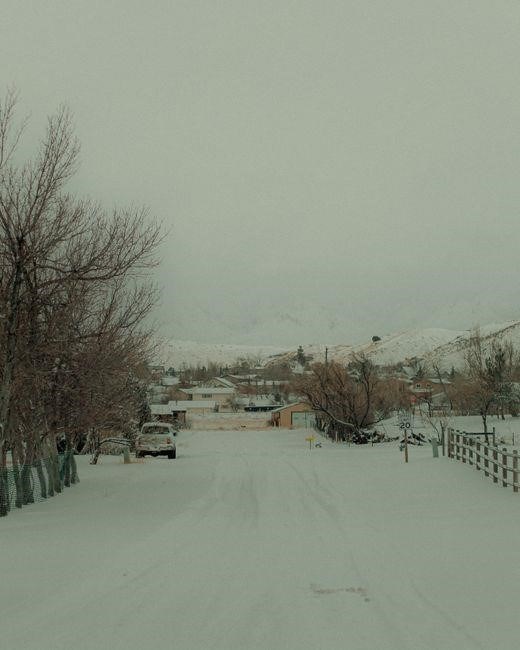
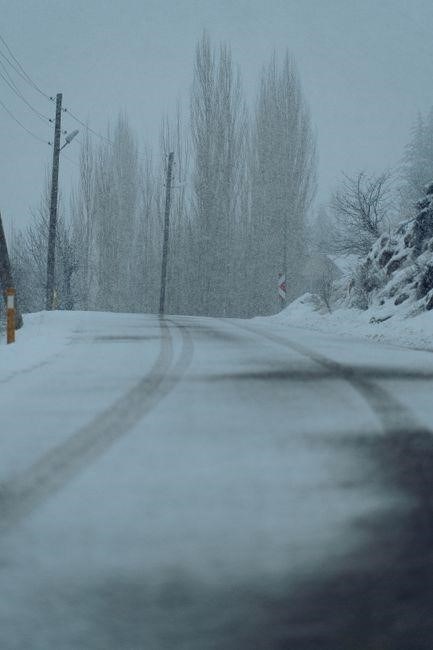
Defensive driving in Nevada focuses on anticipation, maintaining safe following distances, and using signaling. The handbook stresses keeping a view, adjusting speed for weather, and staying alert to pedestrians and cyclists. It also advises using headlights in low visibility and obeying all posted signs. stay.
Defensive Driving Techniques
Defensive driving in Nevada is a proactive approach that prioritizes safety by anticipating potential hazards and responding calmly. Key techniques include maintaining a safe following distance, using mirrors and blind‑spot checks regularly, and staying alert to weather changes. Proper lane discipline, such as staying in the right lane unless overtaking, reduces the risk of collisions. The handbook recommends practicing the “two‑second rule” to keep a buffer from the vehicle ahead, extending it to four seconds in adverse weather.
Another essential skill is the “scan‑check‑action” routine: scan the road ahead, check mirrors, and take action before a hazard appears. This involves looking for brake lights, pedestrians, and cyclists, especially at intersections and school zones. Drivers should also be prepared to yield to emergency vehicles by pulling over to the right and stopping until the vehicle passes.
Using defensive techniques also means being mindful of blind spots. Regularly checking the rear‑view and side mirrors, and adjusting seat position, helps detect vehicles that may not be immediately visible. The handbook advises limiting distractions—such as phone use or eating—while driving, as they increase reaction time.
Finally, defensive driving emphasizes the importance of vehicle maintenance. Keeping tires properly inflated, brakes in good condition, and windshield wipers functional ensures that the vehicle can respond effectively to sudden stops or turns. By combining these practices, Nevada drivers can reduce accidents, protect themselves, and contribute to safer roads for everyone.
Hazard Awareness and Avoidance
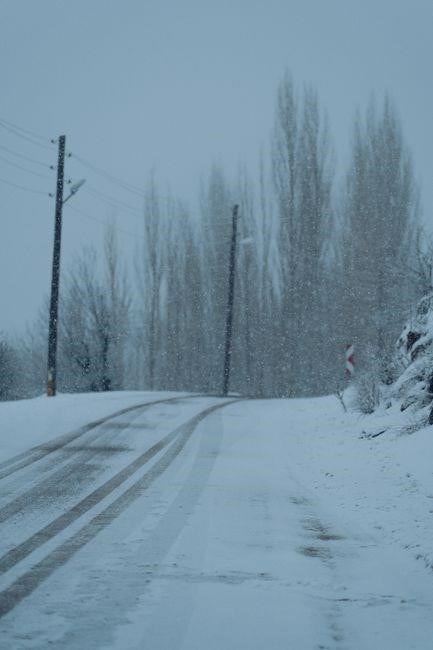
In the Nevada Driver Handbook, hazard awareness is presented as a proactive skill essential for safe driving. The manual instructs drivers to scan the road ahead for sudden stops, pedestrians, cyclists, and wildlife, especially in rural stretches where animals may appear unexpectedly. Weather conditions—fog, rain, snow—are highlighted as factors that can reduce visibility and traction; the handbook recommends extending the standard two‑second following distance by an additional second for each adverse condition. Drivers are urged to maintain proper lane position, use turn signals well before a maneuver, and check blind spots before changing lanes. The text stresses the importance of keeping a buffer of at least one vehicle length behind the car in front to allow for emergency braking. “No‑stop” zones, construction sites, and school buses are identified as high‑risk areas where speeds must be reduced and attention heightened. Anticipatory driving is a core concept: predicting other drivers’ actions and preparing for them. The handbook also advises keeping headlights on during low‑visibility conditions and ensuring mirrors are clean to eliminate blind spots. Continuous learning is encouraged by reviewing the Nevada Revised Statutes for updates on traffic laws and by enrolling in defensive driving courses that reinforce hazard avoidance techniques. By integrating these practices, drivers can lower accident risk and promote safer travel across Nevada’s varied roadways.
Drivers should also be mindful of blind‑spot vehicles and use side mirrors to detect cars that may be hidden by larger vehicles. The handbook advises practicing “slow‑in, slow‑out” maneuvers when entering or exiting highways, ensuring that the vehicle’s speed matches the flow of traffic. Practice safe habits! Yes.All.
Use of Safety Systems
In Nevada, the Driver Handbook stresses that every driver must use seat belts at all times. The state law requires that all occupants wear belts, and failure can result in a fine. Airbags are mandatory on all new vehicles; the handbook explains how they deploy during a collision to reduce injury. For children, the handbook details the use of child safety seats, booster seats, and the correct installation method. Parents are advised to keep the rear‑seat seat belt in the middle for infants and to use a seat belt or harness for older children. The handbook also covers electronic stability control (ESC) and traction control systems, which help prevent skidding on wet or icy roads. Drivers are encouraged to keep these systems enabled and to understand that they are not substitutes for safe driving. Anti‑lock braking systems (ABS) are highlighted as essential for maintaining steering control during emergency stops. The handbook reminds drivers to keep all safety devices—seat belts, airbags, child restraints, ABS, ESC—properly maintained and to replace any damaged components promptly. Regular inspection of tires, brakes, and lights is also recommended to ensure overall vehicle safety. By following these guidelines, drivers can reduce the risk of injury and comply with Nevada’s safety regulations. Additionally, the handbook advises drivers to check the integrity of seat belt pretensioners and to ensure that airbags are not obstructed by cargo. It also highlights the importance of maintaining tire pressure, as under‑inflated tires can compromise braking performance. Drivers should be aware of mandatory seat belt reminder system, which activates a warning light when belt is not fastened!.