Spelling bees cultivate a love for language, demanding precise word knowledge and skillful application – a tradition celebrated for a century, as seen in the 2025 bee!
Preparation is key; understanding word origins, mastering pronunciation, and utilizing resources like Merriam-Webster are vital for success in these challenging competitions.
The journey to becoming a champion, like Faizan Zaki’s, requires dedication and a strategic approach to tackling increasingly complex vocabulary and definitions.
What is a Spelling Bee?
A spelling bee is a competition where participants verbally spell words, aiming for perfect accuracy. These contests test not only a speller’s knowledge of orthography – the correct way to write words – but also their ability to recall and apply that knowledge under pressure.
The Scripps National Spelling Bee, celebrating its 100th anniversary in 2025, is the most prominent example, drawing participants from across the United States. However, spelling bees occur at various levels, from local school competitions to regional qualifiers.

The process typically involves a pronouncer clearly stating a word, followed by the speller’s attempt to spell it aloud. Judges determine correctness, and rounds continue until only one speller remains – the champion! The selection process, as noted, is rigorous, involving lengthy meetings of word selection panels.
The Importance of Spelling Bee Preparation
Preparation is paramount for spelling bee success. It’s not simply about memorizing a list; it’s about developing a deep understanding of language. As evidenced by champions like Faizan Zaki, dedication and consistent effort are crucial.
Effective preparation involves studying word roots, origins, and patterns. Utilizing resources like Merriam-Webster’s dictionary is essential for accurate definitions. Furthermore, practicing with sample word lists and understanding pronunciation guides significantly improves performance.
The rigorous word selection process demands more than rote memorization. Spellers must be able to apply their knowledge strategically, especially when facing unfamiliar or challenging words. The lengthy meetings of the word selection panel highlight the complexity involved.

Understanding Spelling Bee Word Lists
Word lists vary from official Scripps resources to regional and school-level compilations, demanding diverse preparation; mastering these lists is key to competitive success.
Official Scripps National Spelling Bee Word Lists
The Scripps National Spelling Bee meticulously curates its word lists, representing a comprehensive and challenging vocabulary for contestants. These lists aren’t simply random collections; they are built upon an extensive foundation of dictionaries, historical bee words, and linguistic research.
Access to these official lists is crucial for serious competitors. While the complete list isn’t publicly released in its entirety before the bee, Scripps provides resources like study guides and past rounds’ words. The word selection panel dedicates countless hours – even seven-hour meetings – to refining the list, ensuring fairness and intellectual rigor.
Understanding the methodology behind list creation, and utilizing available resources, is paramount for effective preparation. The goal isn’t just memorization, but a deep understanding of etymology and language structure.
Regional and School-Level Word Lists
Preparation often begins long before the Scripps National Spelling Bee, starting with regional and school-level competitions. These preliminary bees utilize word lists tailored to the participants’ grade levels and regional variations in curriculum.
While not as exhaustive as the national list, these local lists are vital stepping stones; Schools and regional organizers often draw from commercially available spelling bee word lists, supplementing them with words from grade-appropriate reading materials. The focus at this stage is building a strong foundational vocabulary and developing spelling strategies.
Success in these early rounds often hinges on mastering commonly misspelled words and understanding basic word roots – skills essential for progressing towards the national competition.
Sources for Practice Words (Merriam-Webster, etc.)
Numerous resources exist to aid in spelling bee preparation beyond official lists. Merriam-Webster stands out as a premier source, offering comprehensive dictionaries, pronunciation guides, and dedicated spelling bee resources online. Their website provides word lists categorized by difficulty, alongside definitions and etymological information.
Other valuable tools include online spelling trainers and vocabulary-building websites. The New York Times archive, as utilized in bee examples, offers exposure to words in context, enhancing understanding and memorization. Utilizing these diverse sources ensures a well-rounded approach to mastering challenging vocabulary.
Consistent practice with varied materials is crucial for success, mirroring the breadth of words encountered in competition.
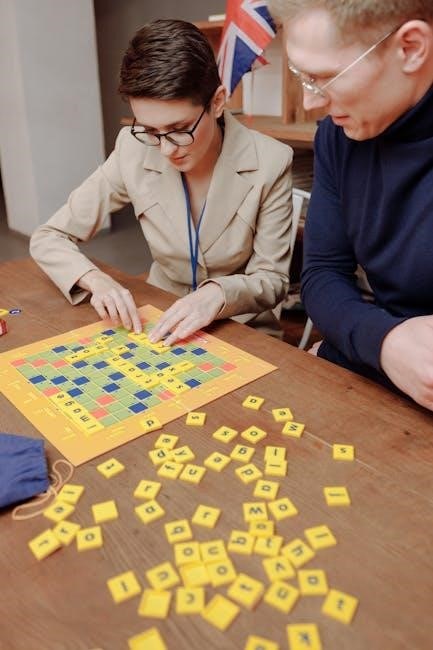
Difficult Spelling Bee Words & Definitions (2024-2025)
Recent bees featured challenging words, testing spellers’ knowledge; preparation involves mastering complex vocabulary and understanding nuanced definitions, as demonstrated by champions like Faizan Zaki;
Words from Recent Bees (2024 & 2025)
The 2024 and 2025 Scripps National Spelling Bees presented a formidable challenge to contestants, showcasing words demanding both precise spelling and a deep understanding of etymology. Spellers faced terms reflecting diverse origins and complexities. While a comprehensive list isn’t readily available without official releases, reports indicate a trend towards less commonly encountered vocabulary.
Faizan Zaki’s victory in 2025 suggests words requiring nuanced comprehension were prevalent. The selection process, involving lengthy meetings of the word selection panel, aims for fairness and intellectual rigor. Pronouncers carefully choose words to test a speller’s ability to apply rules and recognize patterns. Expect words of Greek and Latin origin, alongside those borrowed from other languages, continuing to feature prominently in future competitions.
Frequently Misspelled Words
Certain patterns consistently trip up spellers, even at the national level. Words containing silent letters, double consonants, or unusual vowel combinations pose significant challenges. Common errors often involve confusion between ‘ie’ and ‘ei’, or misapplication of spelling rules related to suffixes like -able and -ible.
Words of foreign origin, particularly those with French or German roots, frequently lead to misspellings due to unfamiliar letter sequences. The pressure of the competition, combined with complex pronunciations, exacerbates these errors. Preparation should focus on mastering these tricky patterns and practicing words known to cause difficulty for past contestants, ensuring a solid foundation for success.
Words of Foreign Origin Commonly Used
Spelling bee word lists frequently incorporate terms borrowed from various languages, notably French, German, Italian, and Latin. These words often retain subtle spelling nuances reflecting their origins, presenting unique hurdles for spellers unfamiliar with these linguistic roots. Expect to encounter words with diacritical marks, unusual consonant clusters, or vowel sounds not typical of English.
Understanding the etymology – the history of a word – can be incredibly helpful in deciphering its correct spelling. Recognizing common prefixes and suffixes derived from these languages provides valuable clues. Diligent study of these foreign-derived words, alongside their definitions and contextual usage, is crucial for competitive success.

Using Definitions to Aid Spelling
Precise definitions unlock spelling patterns; dissecting word roots and origins, coupled with pronunciation guides, empowers spellers to confidently tackle challenging vocabulary.
Breaking Down Word Roots and Origins
Understanding etymology is a powerful spelling bee strategy. Many English words derive from Greek and Latin roots, offering clues to their structure and spelling. For instance, recognizing “spect” (to look) in words like inspect or respect can aid memorization.

Similarly, knowing prefixes like “pre-” (before) or suffixes like “-tion” (act of) provides valuable insights. The Scripps National Spelling Bee often features words of foreign origin, making this knowledge crucial. Deconstructing a word into its components—prefix, root, and suffix—simplifies the task of accurate spelling, moving beyond rote memorization towards a deeper comprehension of language.
This analytical approach is particularly helpful when encountering unfamiliar words during the competition, allowing spellers to deduce the correct spelling based on their understanding of word building blocks.
Understanding Pronunciation Guides
Pronunciation guides, often presented using the International Phonetic Alphabet (IPA), are essential tools for spelling bee contestants. While not a direct substitute for knowing the spelling, they offer crucial auditory clues. Pay close attention to vowel sounds and stress patterns, as these frequently dictate correct letter combinations.
The Scripps National Spelling Bee pronouncers provide these guides, but learning to interpret them independently is vital. Recognizing subtle differences in sounds – like the distinction between ‘short’ and ‘long’ vowels – can prevent misspellings.
Furthermore, understanding how a word sounds can help solidify its spelling in your memory, especially for words of foreign origin where pronunciation may deviate from typical English rules. Careful listening and analysis are key.
Context Clues in Sentences
Utilizing context clues within sentences is a powerful strategy during a spelling bee. The New York Times archive provides excellent examples of words used in authentic contexts, offering valuable insights into their meaning and typical usage.
Pay attention to surrounding words and phrases – they often hint at the word’s definition and, consequently, its correct spelling. Consider the grammatical role of the word; is it a noun, verb, adjective, or adverb? This narrows down possibilities.
Even if unfamiliar with a word, a well-constructed sentence can provide enough information to make an educated guess about its spelling, especially when combined with a pronunciation and root analysis.
Sentence Examples for Spelling Bee Words
The New York Times archive offers authentic sentence examples, showcasing how challenging words are used in context, aiding memorization and understanding of nuanced definitions.
New York Times Archive Examples
Leveraging the New York Times archive provides invaluable context for spelling bee preparation. Examining how words are utilized in professional journalism demonstrates their real-world application, moving beyond simple definitions.
For instance, searching for words from recent bee competitions within the archive reveals authentic sentences. This method strengthens comprehension and aids in memorization, as the word is linked to a tangible example of its usage.
This approach is particularly helpful for words of foreign origin, as the archive often showcases their integration into English discourse. It’s a dynamic way to learn, contrasting with static word lists and definitions, ultimately boosting confidence and performance.
Creating Your Own Sentences for Memorization
Personalizing the learning process through sentence creation significantly enhances retention. Constructing original sentences forces active engagement with the word’s meaning and grammatical function, solidifying understanding.
Unlike passively reading definitions, crafting sentences requires applying the word in a meaningful context. This active recall strengthens neural pathways, making the word more readily accessible during the pressure of a spelling bee.
Strive for sentences that are memorable, humorous, or personally relevant. The more unique the sentence, the easier it will be to recall both the spelling and definition, mirroring the dedication shown by champions like Faizan Zaki.
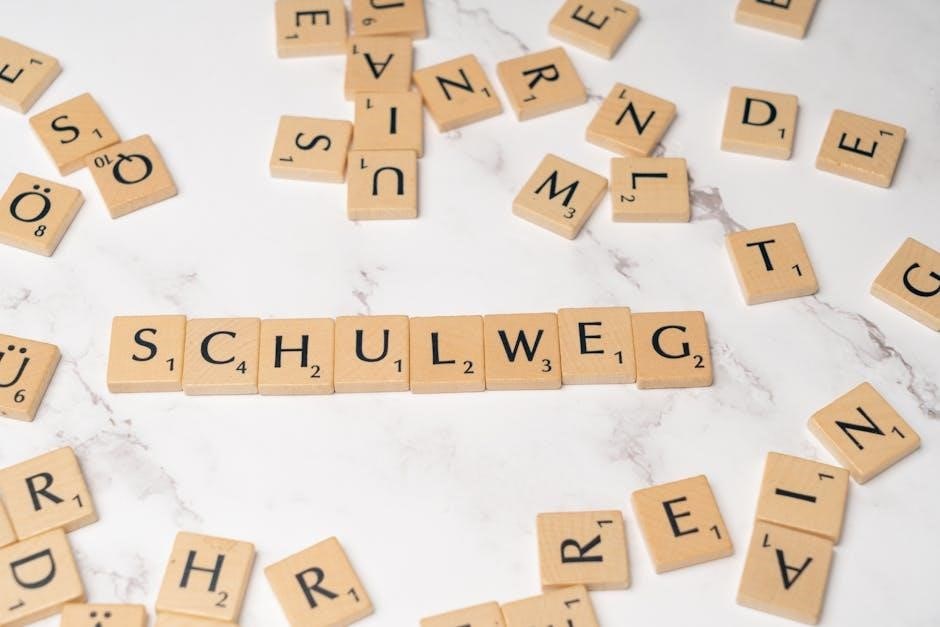
Resources for Spelling Bee Practice (PDFs)
Numerous free PDFs offer comprehensive word lists, definitions, and practice sentences, aiding preparation for spelling bees – a valuable tool for aspiring champions!
Free Printable Spelling Bee Word Lists (PDF)
Accessing readily available, printable PDF word lists is a cornerstone of effective spelling bee preparation. Many websites curate lists categorized by difficulty, mirroring the progression found in actual competitions. These resources often include definitions sourced from reputable dictionaries like Merriam-Webster, providing crucial context for understanding and memorizing words.
Furthermore, the best lists don’t just present the word and definition; they incorporate example sentences, ideally drawn from sources like the New York Times archive, demonstrating proper usage. This contextual learning significantly enhances retention. Searching online for “free spelling bee word lists PDF” yields a wealth of options, catering to various skill levels and bee participation tiers. Utilizing these free resources allows focused practice, building confidence and expanding vocabulary.
Comprehensive Spelling Bee Study Guides (PDF)
Beyond simple word lists, comprehensive study guides in PDF format offer a structured approach to spelling bee preparation. These guides typically delve deeper than basic definitions, exploring etymology – the origin and history of words – which aids memorization. They often categorize words by linguistic roots, revealing patterns and connections that simplify learning.
A quality study guide will also include pronunciation guides, crucial for accurately receiving words during the bee. Like free lists, the best guides integrate example sentences, ideally sourced from established publications, showcasing correct usage. These resources often feature practice quizzes and mock bee rounds, simulating the competition environment. Investing time in a well-designed PDF study guide, alongside focused practice, significantly increases a speller’s chances of success, mirroring the dedication of champions like Faizan Zaki.

Tips for Spelling Bee Success
Mastering words requires consistent practice, utilizing resources like PDFs with definitions and sentences, alongside effective memorization techniques to conquer stage fright.
Memorization Techniques
Effective memorization extends beyond rote learning. Utilizing PDFs containing spelling bee words with their definitions and example sentences is crucial. This contextualization aids recall, linking the word’s meaning to its structure.
Employ mnemonic devices – create vivid images or stories associating the word with something memorable. Break down complex words into smaller, manageable parts, focusing on roots, prefixes, and suffixes. Repeatedly writing the word, while verbalizing its spelling, reinforces muscle memory.
Spaced repetition – reviewing words at increasing intervals – optimizes long-term retention. Don’t just memorize the spelling; understand the word’s origin and how it’s used, as demonstrated in resources like the New York Times archive. Practice under simulated bee conditions to build confidence and reduce anxiety.

Strategies for Handling Difficult Words
When confronted with a challenging word, actively request the language of origin – knowing if it’s Greek, Latin, or French can provide crucial spelling clues. Utilize the provided definition thoroughly; dissect it for hints about the word’s structure.
Don’t hesitate to ask for the word in a sentence. Analyzing its usage can reveal subtle spelling patterns. If permitted, request an alternate word form (plural, tense) to confirm your understanding. PDFs with example sentences, like those from the New York Times, are invaluable here.
Slow down and visualize the word. Mentally break it into syllables. If unsure, attempt a plausible spelling, even if incomplete, rather than remaining silent. Remember, even champions like Faizan Zaki faced difficult challenges!
Managing Stage Fright
The pressure of a spelling bee can induce significant anxiety. Deep, controlled breathing exercises before your turn can help calm nerves and improve focus. Visualize success – imagine yourself confidently spelling the word correctly.
Remember that mistakes happen, even to champions. Reframing a potential error as a learning opportunity can reduce fear. Focus on the word itself, the definition, and the sentence provided, rather than the audience or the stakes.
Preparation is a powerful antidote to anxiety; Thoroughly studying word lists and practicing with PDFs containing definitions and sentences builds confidence. Like the pronouncers in the selection panel, maintain composure!