E30 Auto to Manual Swap: A Comprehensive Guide (Updated 04/21/2026)

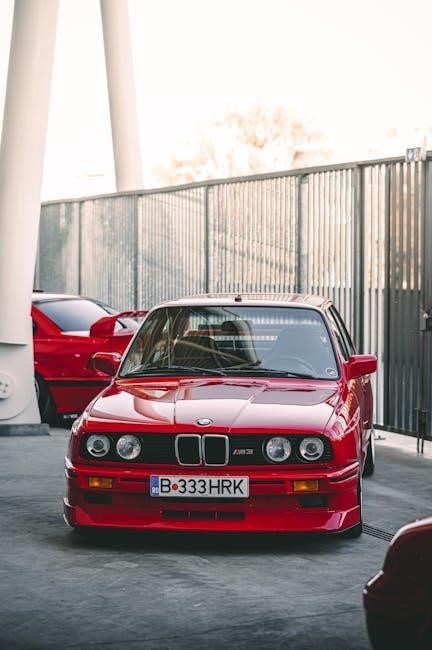
The E30 chassis‚ once overshadowed by rising M3 auction values‚ presents a fantastic platform for a rewarding manual transmission conversion. This guide details the process‚
focusing on enhancing driving engagement and reclaiming the original BMW feel.

The BMW E30‚ particularly models originally equipped with an automatic transmission‚ offers a compelling candidate for a manual transmission swap. While the automatic provides convenience‚ many enthusiasts seek the increased driver involvement and control offered by a manual gearbox. This conversion isn’t simply about shifting gears; it’s about reconnecting with the driving experience that defined early BMWs.
Recent trends show the E30 M3 gaining notoriety for its auction prices‚ sometimes rivaling those of air-cooled Porsches. However‚ the core appeal of the E30 remains its dynamic capabilities. A manual swap unlocks this potential‚ transforming the car into a more engaging and rewarding machine. This guide aims to provide a comprehensive walkthrough of the process‚ covering everything from parts selection to final adjustments.
This isn’t a project for the faint of heart‚ requiring mechanical aptitude‚ patience‚ and a willingness to learn. However‚ with the right tools‚ information‚ and a methodical approach‚ a successful E30 manual swap is achievable for the dedicated DIY enthusiast. We will explore the nuances of each step‚ ensuring a smooth and satisfying transformation.

Why Swap? Benefits of a Manual Transmission
The decision to swap an automatic transmission in an E30 for a manual one stems from a desire for a more connected and engaging driving experience. While automatics offer convenience‚ they often lack the direct control and responsiveness that enthusiasts crave. A manual transmission puts the driver firmly in command‚ allowing for precise gear selection and a greater sense of involvement.
Beyond the subjective enjoyment‚ a manual swap can unlock performance benefits. Reduced drivetrain losses translate to slightly improved acceleration and fuel efficiency. More importantly‚ a manual gearbox allows for better engine braking‚ enhancing control during cornering and descending hills. This is particularly valuable in a chassis as balanced and capable as the E30.
Considering the recent surge in E30 M3 values‚ preserving the driving spirit of these cars becomes even more crucial. A manual swap isn’t just a modification; it’s a restoration of the original intent – a driver’s car. It elevates the E30 beyond a collectible and transforms it into a thrilling machine to be enjoyed on the road.
Essential Parts List for the Conversion
Successfully completing an E30 automatic to manual swap requires a comprehensive parts list. First‚ the manual transmission itself – either a Getrag 245 or 265 (discussed later). You’ll need a matching flywheel and clutch kit‚ specific to your engine. Don’t forget the clutch master and slave cylinders‚ plus the hydraulic lines.
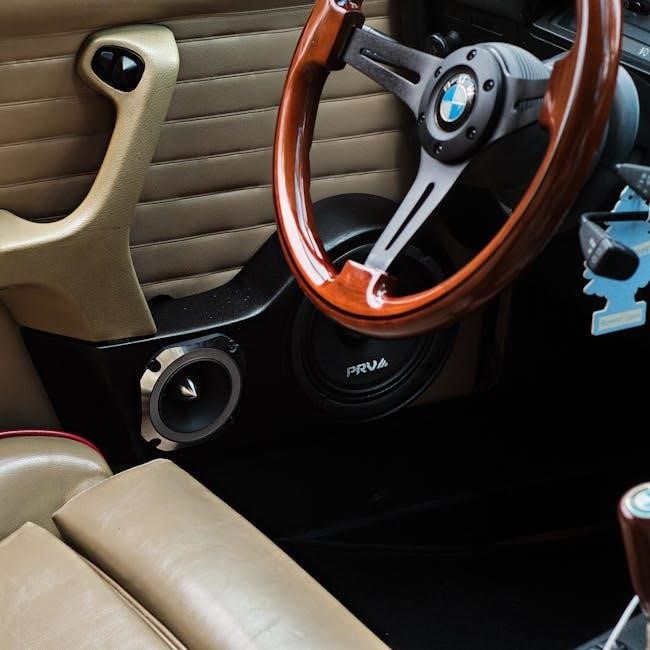
A complete manual pedal assembly is crucial‚ including the clutch pedal. The shifter mechanism‚ including the linkage or cables‚ and a new shift knob are also necessary. Driveshaft modifications or a replacement are often required to accommodate the different transmission length. Expect to source a center support bearing if needed.
Wiring harness modifications will demand connectors and potentially some wire splicing. Consider a new transmission mount and potentially upgraded cooling lines for the transmission. Finally‚ smaller items like hardware‚ fluids‚ and potentially a new exhaust hanger should be included. Thorough planning and a detailed checklist are vital to avoid mid-project delays.
Transmission Options: Getrag 245 vs. 265
When selecting a manual transmission for your E30 swap‚ the Getrag 245 and 265 are the primary contenders. The Getrag 245‚ found in earlier 325i models‚ is generally more affordable and easier to source. It’s a robust unit‚ suitable for moderate power levels‚ but its gear ratios are wider‚ potentially requiring more shifting.
The Getrag 265‚ utilized in later 325i/M3 models‚ offers closer gear ratios‚ enhancing performance and providing a more engaging driving experience. However‚ it commands a higher price and can be more challenging to find in good condition. The 265 is preferred for higher horsepower applications and track use.
Consider your intended use and budget when making your decision. For a daily driver or mild performance upgrade‚ the 245 is a practical choice. If you prioritize performance and are willing to invest more‚ the 265 is the superior option. Both require inspection for wear and tear before installation.
Sourcing Parts: Where to Find What You Need
Locating the necessary components for your E30 manual swap requires a multi-faceted approach. BMW-specific forums and online marketplaces like eBay are excellent starting points for finding used transmissions‚ pedal assemblies‚ and shifter mechanisms. Specialist BMW parts suppliers‚ such as RealOEM and vendors dedicated to E30 restoration‚ offer both new and used components.
Local salvage yards can sometimes yield valuable parts‚ but require diligent searching and inspection. Facebook Marketplace and Craigslist can also uncover hidden gems‚ often at competitive prices. When purchasing used parts‚ prioritize condition and completeness; inquire about mileage and any known issues.
Don’t overlook the potential for purchasing complete swap kits‚ which bundle many essential components‚ simplifying the sourcing process. However‚ these kits can be more expensive. Thorough research and comparison shopping are crucial to securing the best deals and ensuring compatibility.

Preparing the E30 for the Swap: Disassembly
Before initiating the E30 manual swap‚ meticulous disassembly is paramount. Begin by disconnecting the battery to prevent electrical shorts. Drain the automatic transmission fluid‚ carefully removing the driveshaft and exhaust system to create workspace. Unbolt the automatic transmission‚ supporting it with a jack to prevent damage during removal.
Next‚ address the center console‚ removing trim pieces to access the automatic shifter linkage. Disconnect the shift cable and remove the shifter itself. The automatic pedal assembly must be removed‚ preparing the space for the manual pedal setup. Label all wiring connectors and hoses as you disconnect them‚ aiding reassembly.
Thoroughly clean the engine bay and transmission tunnel‚ removing any grease or debris. Inspect the flywheel for wear and consider replacing the rear main seal during this stage. Document the process with photos‚ creating a visual reference for reinstallation.
Pedal Assembly Installation & Hydraulic Clutch Setup
Installing the manual pedal assembly requires careful attention to detail. Mount the new pedal box‚ ensuring proper alignment and secure bolting to the firewall. The brake pedal may need slight modification to accommodate the clutch pedal. Connect the clutch master cylinder‚ bleeding the system thoroughly to eliminate air bubbles.
Route the hydraulic clutch line‚ avoiding exhaust components and moving parts. Secure the line with clips to prevent chafing and leaks. Install the clutch slave cylinder on the transmission‚ ensuring proper alignment with the clutch fork. Bleeding the clutch line is crucial for smooth engagement and disengagement.
Double-check all connections for tightness and proper function. Test the pedal feel‚ verifying smooth travel and consistent pressure. A properly installed and bled hydraulic clutch system is essential for a successful and enjoyable manual swap experience.
Transmission Mounting & Driveshaft Considerations
Securely mounting the manual transmission is paramount for stability and proper drivetrain function. Utilize the original transmission mounting points‚ or fabricate custom brackets if necessary‚ ensuring a robust connection to the chassis. Inspect the transmission mount for wear and replace it if needed to minimize vibrations.
The driveshaft will almost certainly require modification or replacement. Automatic and manual transmissions have different output flange configurations. Measure the driveshaft length accurately and either shorten the existing shaft or source a correct-length replacement. Ensure the driveshaft is balanced to prevent vibrations at higher speeds.
Verify proper U-joint angles to optimize drivetrain efficiency and minimize stress on components. A driveshaft shop can provide professional shortening‚ balancing‚ and U-joint replacement services. Careful attention to these details will ensure a smooth and reliable power transfer.
Wiring Harness Modifications & ECU Compatibility
The E30’s wiring harness requires modifications to accommodate the manual transmission. The automatic transmission’s wiring for the kickdown switch‚ reverse light circuit‚ and transmission control unit must be addressed. Integrate the manual transmission’s reverse light switch into the existing wiring‚ ensuring proper functionality.
ECU compatibility depends on the engine and original transmission type. Some ECUs automatically recognize the manual transmission‚ while others may require reprogramming or a chip swap. Research your specific ECU to determine the necessary steps. Disconnecting the automatic transmission control module is crucial to avoid error codes.
Carefully review wiring diagrams and label all connections before disconnecting anything. Consider using a wiring harness modification guide specific to the E30 manual swap. Proper wiring ensures the engine operates correctly and avoids potential electrical issues. A clean and organized wiring job is essential for reliability.
Shifter Mechanism Installation & Adjustment
Installing the shifter mechanism involves mounting the shifter assembly to the transmission tunnel. Ensure proper alignment with the transmission’s shift rods. Use new mounting hardware to prevent loosening over time. Select a shifter that suits your driving style – options range from stock-feel to short-throw designs.
Precise adjustment is critical for smooth and accurate gear changes. Begin by connecting the shift linkage and verifying full range of motion. Adjust the linkage until each gear engages cleanly without binding or excessive play. Incorrect adjustment can lead to difficulty selecting gears or even damage to the transmission.
Pay close attention to the neutral position; it should be centered and easily accessible. Test the shifter through all gears‚ both with the engine off and running. Fine-tune the adjustments until you achieve a precise and satisfying shift feel. A well-adjusted shifter enhances the driving experience significantly.
Cooling System Modifications (Clutch & Transmission)

The manual transmission swap necessitates attention to cooling‚ particularly for the clutch and gearbox. The increased friction from a manual clutch generates substantial heat‚ demanding adequate cooling to prevent premature wear and failure. Consider installing a dedicated clutch cooler‚ especially for spirited driving or track use.
Transmission oil temperature also rises with a manual swap‚ as the transmission is now constantly engaged. Upgrading to a high-quality transmission fluid with enhanced cooling properties is crucial. Some owners opt for an auxiliary transmission oil cooler‚ similar to those used in racing applications‚ for optimal temperature management.
Ensure the cooling system is properly bled after any modifications. Monitor transmission and clutch temperatures during initial test drives. Addressing cooling needs proactively will significantly extend the lifespan of these critical components and maintain consistent performance.
Exhaust System Adjustments
While often overlooked‚ the exhaust system may require adjustments following an E30 automatic to manual swap. The original automatic exhaust routing sometimes interferes with the new manual transmission or shifter mechanism. Careful inspection is vital to identify potential contact points.
Specifically‚ the center section of the exhaust‚ particularly around the transmission tunnel‚ may need modification. This could involve slight bending‚ re-routing‚ or even replacing sections of the exhaust pipe; Ensure sufficient clearance is maintained to prevent heat transfer to the cabin or damage to the transmission.
Consider using flexible exhaust couplings to accommodate minor misalignments and reduce stress on the exhaust hangers. Always use high-quality exhaust clamps to prevent leaks. A thorough inspection for exhaust leaks after the swap is crucial for safety and optimal performance. Addressing these adjustments ensures a clean and functional exhaust system.
Post-Swap Checks & Troubleshooting
After completing the E30 automatic to manual swap‚ a comprehensive series of checks is essential. Begin by verifying proper clutch operation – smooth engagement and disengagement are key. Check for any hydraulic leaks in the clutch system and bleed the lines thoroughly to ensure optimal pedal feel.
Next‚ inspect all mounting points for the transmission‚ shifter‚ and pedal assembly. Confirm everything is securely fastened and torqued to specification. A test drive is crucial‚ starting slowly to assess gear engagement and shifter feel. Listen for any unusual noises from the transmission or drivetrain.
Troubleshooting common issues includes difficulty shifting (often related to clutch adjustment)‚ vibrations (driveshaft imbalance)‚ or warning lights (ECU compatibility). Double-check wiring connections and ensure the ECU recognizes the manual transmission. Address any issues promptly to prevent further damage and enjoy the enhanced driving experience.
Common Issues & Solutions During the Swap
The E30 automatic to manual swap‚ while rewarding‚ often presents challenges. A frequent issue is difficulty aligning the transmission input shaft with the pilot bearing; patience and gentle persuasion are key‚ avoiding forceful hammering. Stripped bolt holes during pedal assembly installation can be remedied with Helicoils or larger diameter bolts.
Hydraulic clutch line routing can be tricky‚ potentially leading to leaks. Ensure lines aren’t kinked or rubbing against hot exhaust components. Wiring harness modifications sometimes trigger ECU errors; careful study of wiring diagrams and potentially a chip tune are solutions.
Driveshaft length discrepancies are common‚ requiring shortening or sourcing a correct-length unit. Finally‚ shifter linkage adjustment can be finicky; methodical adjustments and test drives are vital for precise gear selection. Thorough preparation and a methodical approach minimize these frustrations.
Cost Breakdown & Project Timeline
The E30 automatic to manual swap’s cost varies significantly based on parts sourcing and labor. A realistic budget ranges from $1‚500 to $3‚000‚ encompassing the transmission ($500-$1200)‚ pedal assembly ($200-$400)‚ clutch kit ($200-$300)‚ driveshaft modification ($150-$300)‚ and miscellaneous hardware ($100-$200).

Labor costs‚ if outsourced‚ can add $800-$1500. Sourcing used parts can reduce expenses‚ but requires careful inspection. The project timeline for a skilled DIY enthusiast is typically 2-3 weekends. However‚ unforeseen issues can extend this to 4-6 weeks;
Allow extra time for parts acquisition‚ especially if seeking specific Getrag models. Professional installation adds 1-2 weeks‚ depending on shop workload. Prior planning‚ meticulous parts gathering‚ and realistic expectations are crucial for staying within budget and schedule. Remember to factor in fluid changes and potential alignment costs.